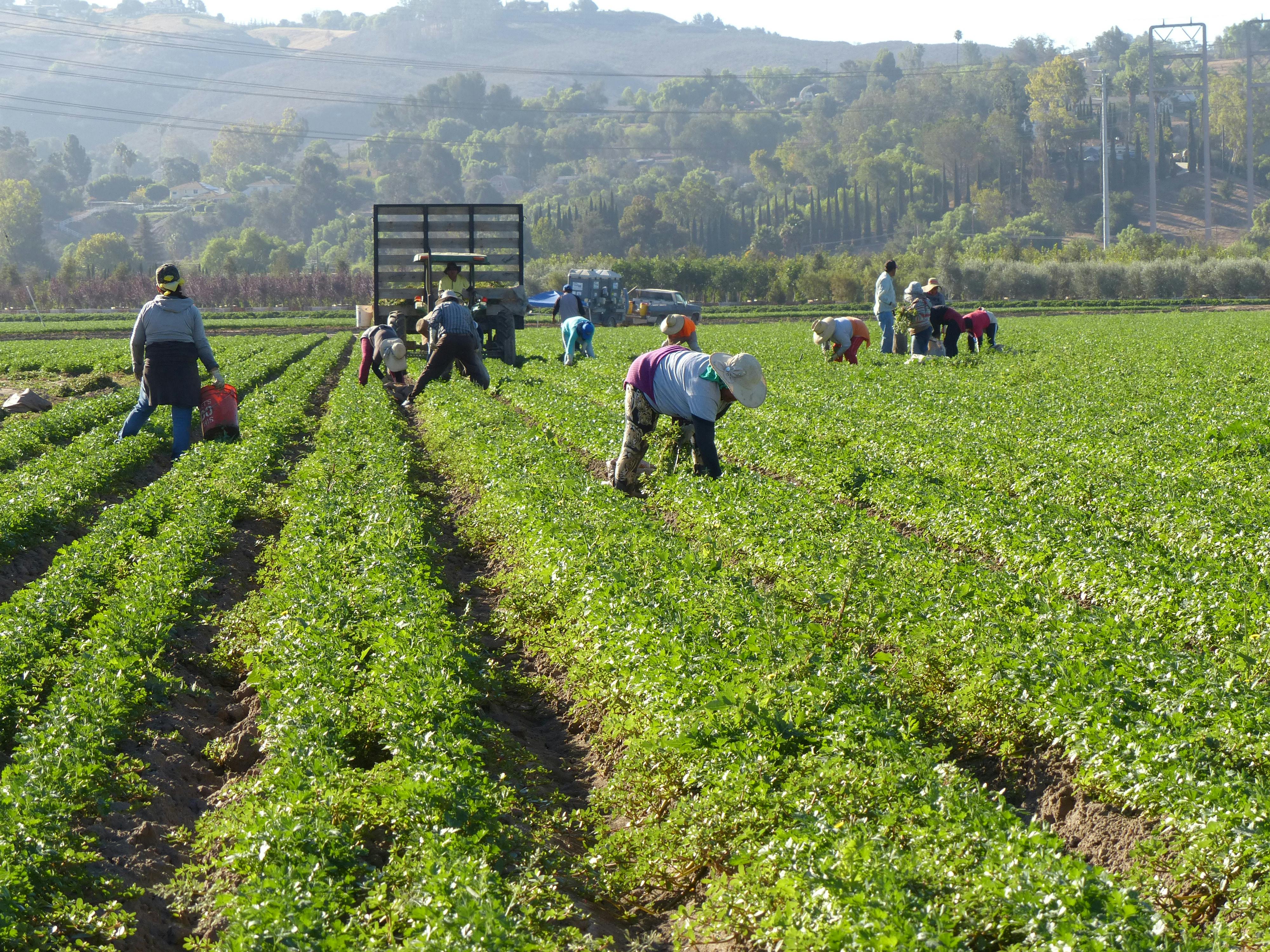
The H-2A Temporary Agricultural Program provides a legal pathway for U.S. agricultural employers to hire foreign nationals when domestic workers are unavailable. For operations with predictable seasonal cycles — planting, cultivating, harvesting — H-2A offers a compliant, reliable solution when domestic recruitment consistently falls short.
Administered jointly by the Department of Labor and U.S. Citizenship and Immigration Services, the program requires meaningful planning but remains one of the few federally authorized options for securing seasonal agricultural labor at scale.
How the Program Works
H-2A authorizes nonimmigrant workers to enter the U.S. for a defined seasonal period — typically tied to a specific crop cycle. Employers must first demonstrate through active domestic recruitment that qualified U.S. workers are unavailable. Once the Department of Labor certifies the labor need, employers file a USCIS petition for the specific workers, who then apply for H-2A visas and travel to the worksite. The full process requires 75–90 days of lead time before workers are needed.
Eligible operations include crop production, livestock, aquaculture, and related agricultural services. Positions must be genuinely temporary or seasonal — not permanent, full-year roles. Workers must be nationals of approved countries; Mexico, Guatemala, Jamaica, and South Africa are among the most common sending countries.
Participation carries defined employer obligations: H-2A workers must receive at least the Adverse Effect Wage Rate — which typically exceeds federal minimum wage — along with free housing, daily transportation to the worksite, and a guaranteed minimum of 75% of contracted workdays. These obligations are legally binding and apply regardless of who prepares the filing.